The 4-prompt chain that exposes any competitor's creative pattern in 9 minutes
A teardown of a workflow you can run on Perplexity + Custom GPTs. Includes the system prompt, the eval rubric, and the spreadsheet output schema.
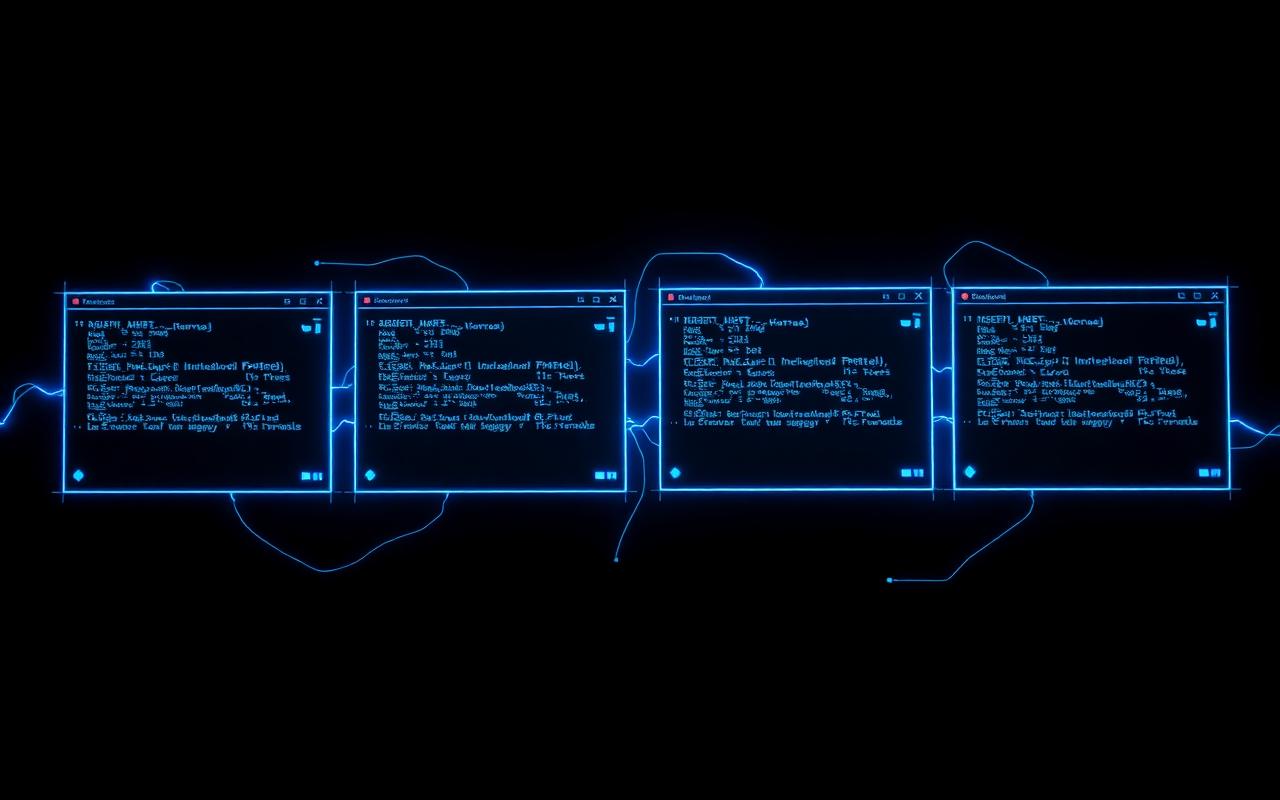
Every competitor's ad library tells you exactly what they're afraid of. The trouble is reading it. Most teams scroll Meta Ad Library for an hour, screenshot a few units they like, and call it research. That's not intelligence, that's mood-boarding.
What follows is a four-prompt chain built for this job. It takes a competitor URL, a Meta Ads Library export, and about the length of a coffee break. Output: a structured creative-pattern brief that holds up in a Monday strategy meeting.
Prompt 1, Hypothesis. Feed the chain three months of a competitor's live ads and ask the model to cluster them by the implicit promise being made, not the format. You'll typically see two or three dominant promises and one experimental wedge.
Prompt 2, Constraint map. For each cluster, ask: what would this brand never say? The answer is usually more revealing than what they do say. Constraints define brands far more than choices do.
Prompt 3, Eval rubric. Generate a five-axis scoring rubric (clarity, novelty, proof, urgency, specificity) and re-score each ad. The lowest cells are the gaps you can attack.
Prompt 4, Counter-creative. Produce three concept directions that exploit the lowest-scoring axes while staying inside your own brand voice. This is where most teams stop being analysts and start shipping.
Once the chain is set up, the run is short and repeatable. The full system prompt and the spreadsheet schema are in the appendix below.
The point isn't to copy their creative, it's to map the constraint they're optimizing for, then violate it on purpose.
- 01Cluster competitor ads by implicit promise, not format.
- 02A constraint map reveals more than a feature comparison.
- 03Score on five axes; attack the lowest-scoring cell first.
- 04Counter-creative is the deliverable. Analysis without it is mood-boarding.
- Published
- Jun 14, 2026
What changed. What it means. What to do next. Two briefings each week.
Submitting this newsletter form requests The Onbrand Brief, two briefings a week. Unsubscribe anytime. Free resources do not require a subscription.
Two briefings a week. Unsubscribe anytime.
- Issue 09 · Tactics · Jun 04, 2026Automated QA for 400+ ad variations, without hiring a single contractor
- Issue 08 · Tactics · May 31, 2026The 200-document RAG pipeline that lets any model write in your brand voice
- Issue 04 · Tactics · May 17, 2026Voice search is back, and podcast feeds are the unexpected SEO surface